Key Takeaways
A 40-year-old woman with type 1 diabetes mellitus (T1DM) who injected insulin into her abdomen developed a firm subcutaneous mass in the right lower quadrant. Pathology after surgical excision showed nodular cutaneous amyloidosis; mass spectrometry supported insulin injection-associated amyloid.
A case report by endocrinologist Meiying Zhuang, MD, and colleagues at Vancouver General Hospital, Canada, documents an underdiagnosed complication of repeated subcutaneous insulin injections.
The Patient and Her History
The patient was referred to Vancouver General Hospital for a newly developed subcutaneous mass in the right lower abdominal quadrant, occasional night sweats, chills, paraesthesia’s migrating between her face and extremities, and intermittent arthralgias in the ankles, knees, hips, and wrists. She denied fever, unintentional weight loss, cough, chest pain, rashes, or gastrointestinal complaints.
Past medical history was notable for foetal alcohol syndrome and T1DM diagnosed at age 5 years.
Her regular medication was insulin, administered by subcutaneous injections into the abdomen for T1DM.
Family, social, substance use, travel, and allergy histories were unremarkable.
At the referring physician’s office, a biopsy of the lesion, measuring 1.1 × 1 × 0.8 cm, had been performed. Histology showed features of amyloidosis with strong Congo red staining.
Evaluation
On admission, vital signs were within normal limits, including respiratory and heart rates,blood pressure, room air oxygen saturation, and body temperature.
Inspection, auscultation, palpation, and percussion corroborated the history. The biopsy wound in the right lower abdominal quadrant appeared noninflamed and dry. A firm, nonmobile mass was palpable beneath it. Additional findings included leg oedema and mild, nonspecific motor and sensory deficits in both lower legs.
A neurologic examination, including cerebrospinal fluid analysis, revealed no abnormalities.
An expanded amyloidosis workup — including complete blood count, electrolytes, creatinine, liver function tests, serum free light chains, serum protein electrophoresis, urine protein electrophoresis, and urinalysis — yielded no definitive clues.
A CT scan of the chest, abdomen, and pelvis showed a soft-tissue collection in the subcutaneous fat along the right anterior abdominal wall. No intrathoracic or intra- abdominal pathology was observed.
Echocardiography showed no evidence of amyloid deposition.
A repeat neurologic examination provided no new information.
Diagnosis and Management
After referral to the surgical department, the abdominal mass was excised. Subsequent histopathology revealed nodular cutaneous amyloidosis.
Given the patient’s frequent abdominal insulin injections, insulin injection-associated amyloidosis was considered in the differential diagnosis.
The Department of Paediatrics at Rajarajeswari Medical College and Hospital (RRMCH) successfully hosted the NNF-K Clinical Meet on Neonatal Neurology Clinical Case Presentations on 18th March 2026, in association with the National Neonatology Forum, Karnataka. The event brought together leading experts, academicians, and clinicians from across the country for a focused academic exchange on neonatal neurological care.
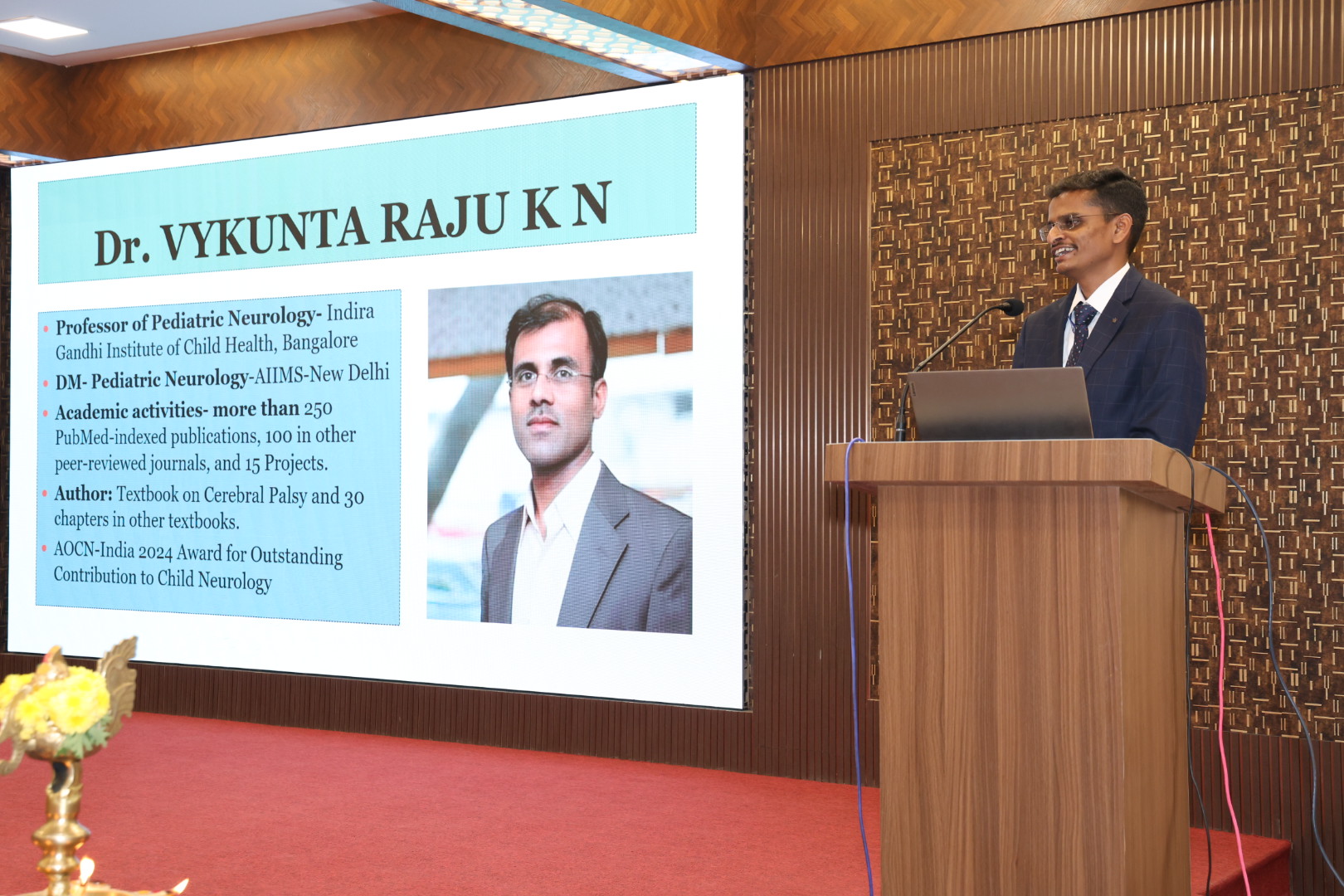
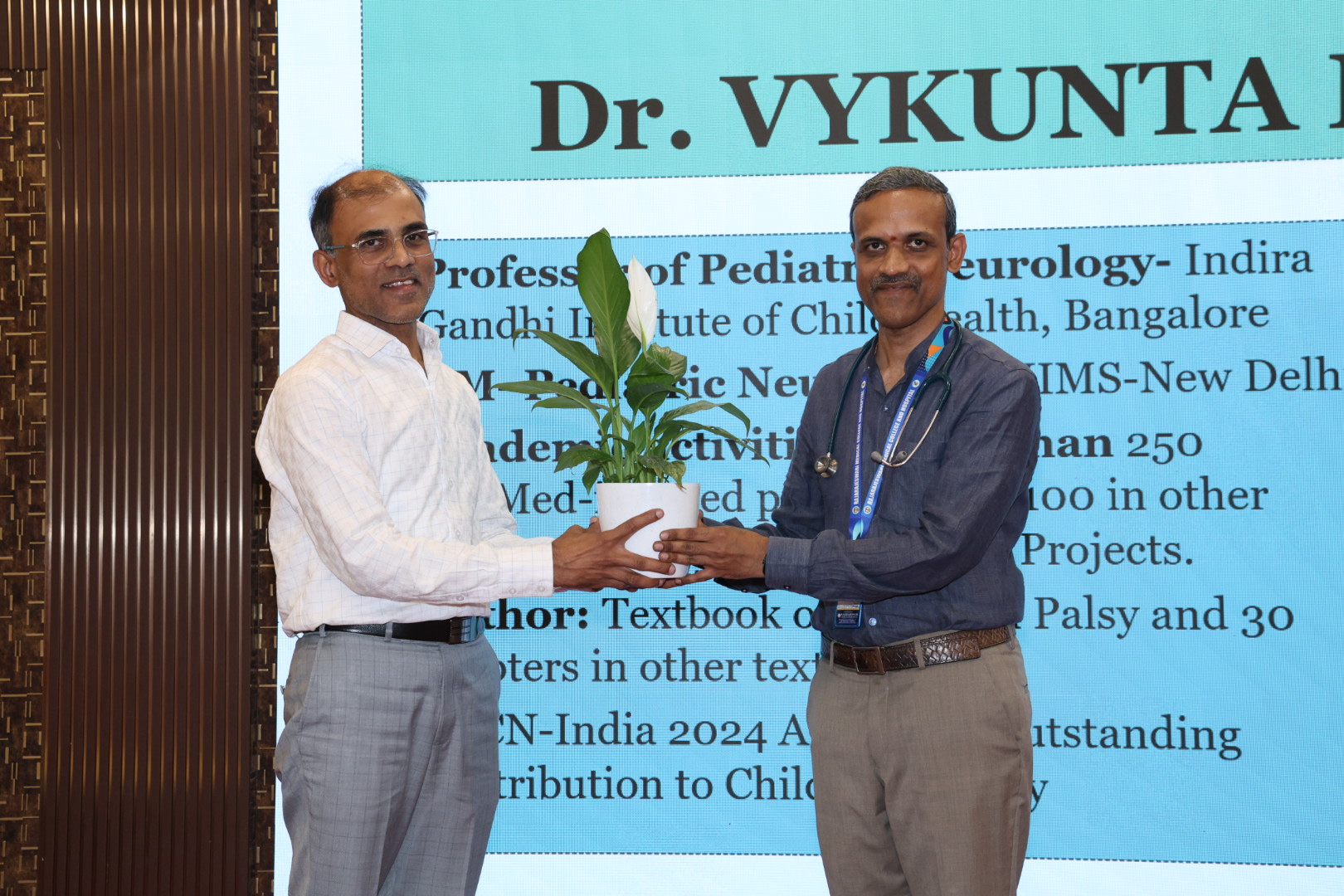
The scientific program featured expert-led sessions by Dr. Vykuntaraju, Professor, Department of Paediatric Neurology, Indira Gandhi Institute of Child Health, and Dr. Aarthi, Assistant Professor, Department of Paediatrics, RRMCH. Their sessions provided valuable insights into current approaches and clinical challenges in neonatal neurology.
The meet was inaugurated by Dr. Sathyamurthy, Dean, and Dr. Praveen, Medical Superintendent. The event was further enriched by the presence and contributions of eminent neonatologists including Dr. Venkatesh H.A, Dr. Shashidhar, Dr. Pratheek, and Dr. Sharath Chandra, who shared their expertise and perspectives.
A key highlight of the program was the clinical case presentations by participants from RRMCH, Indira Gandhi Institute of Child Health (IGICH), Baptist Hospital, and Manipal Hospitals. These presentations encouraged interactive discussions and practical learning among delegates.
The program was formally addressed by Dr. Rajanish K.V, Professor and Head of the Department of Paediatrics, who emphasized the importance of continuous academic engagement in advancing neonatal care.
The event witnessed enthusiastic participation from delegates across the country, reflecting its strong academic impact and clinical relevance. The NNF-K Clinical Meet stands as a testament to RRMCH’s commitment to fostering knowledge, enhancing clinical skills, and promoting excellence in neonatal healthcare.
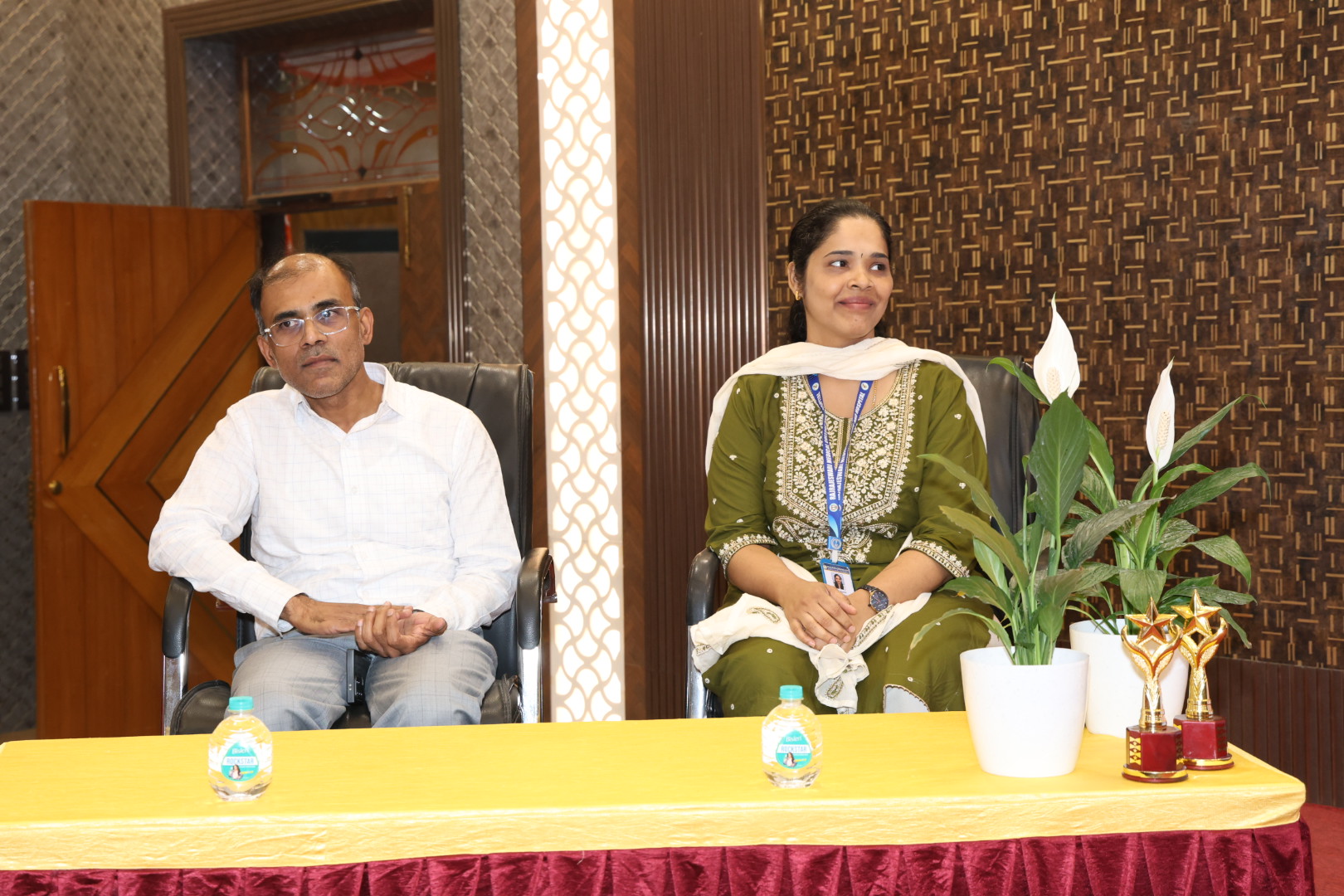
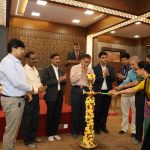
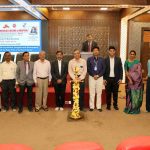
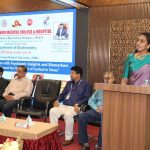
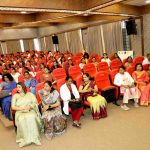
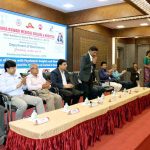
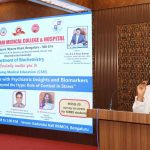
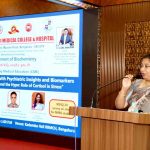
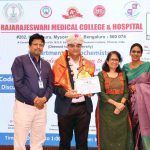
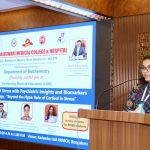
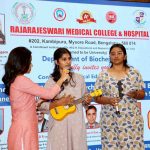
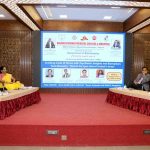
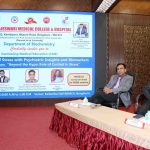
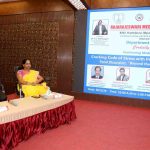
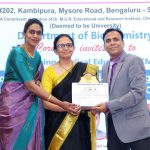
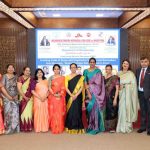
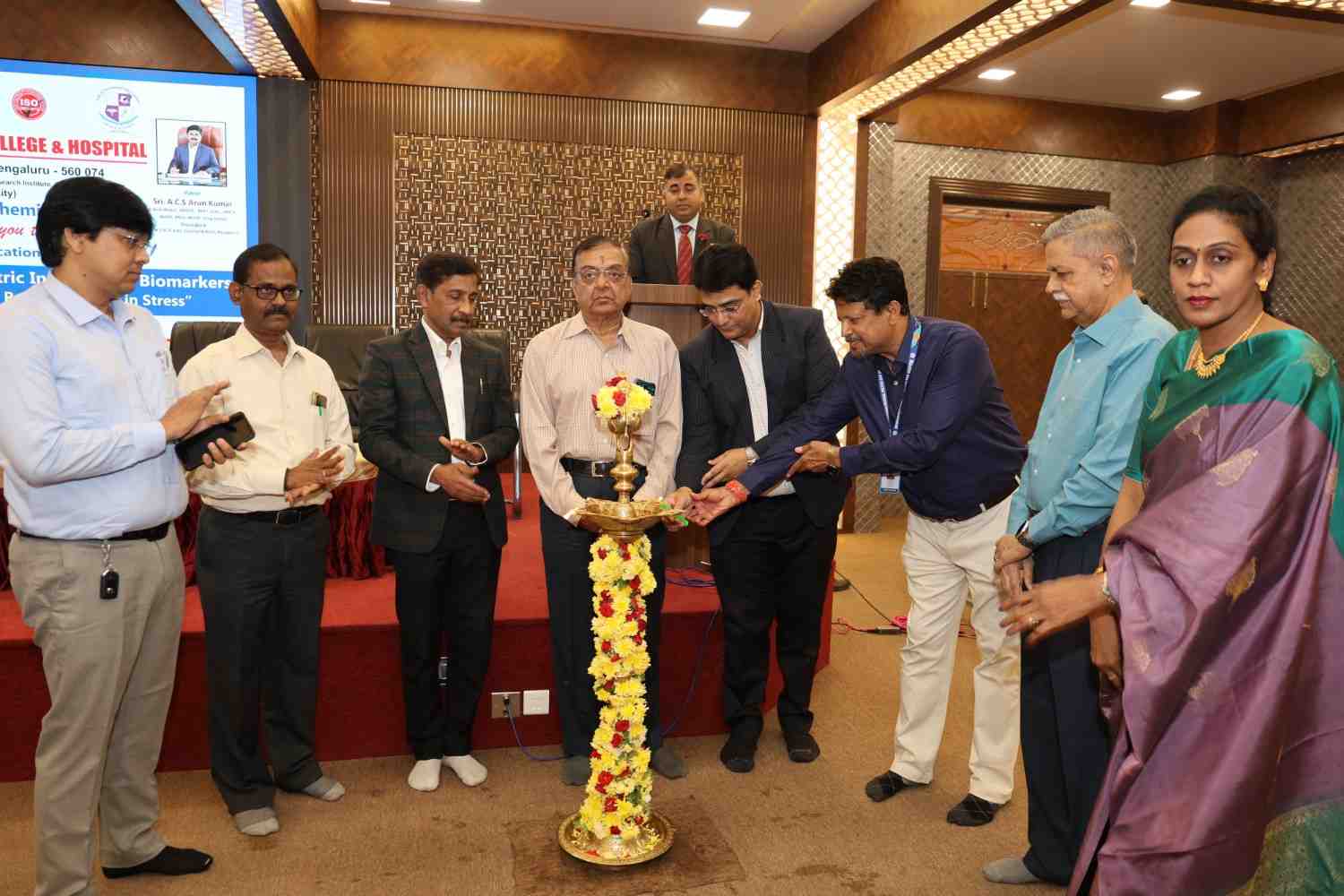
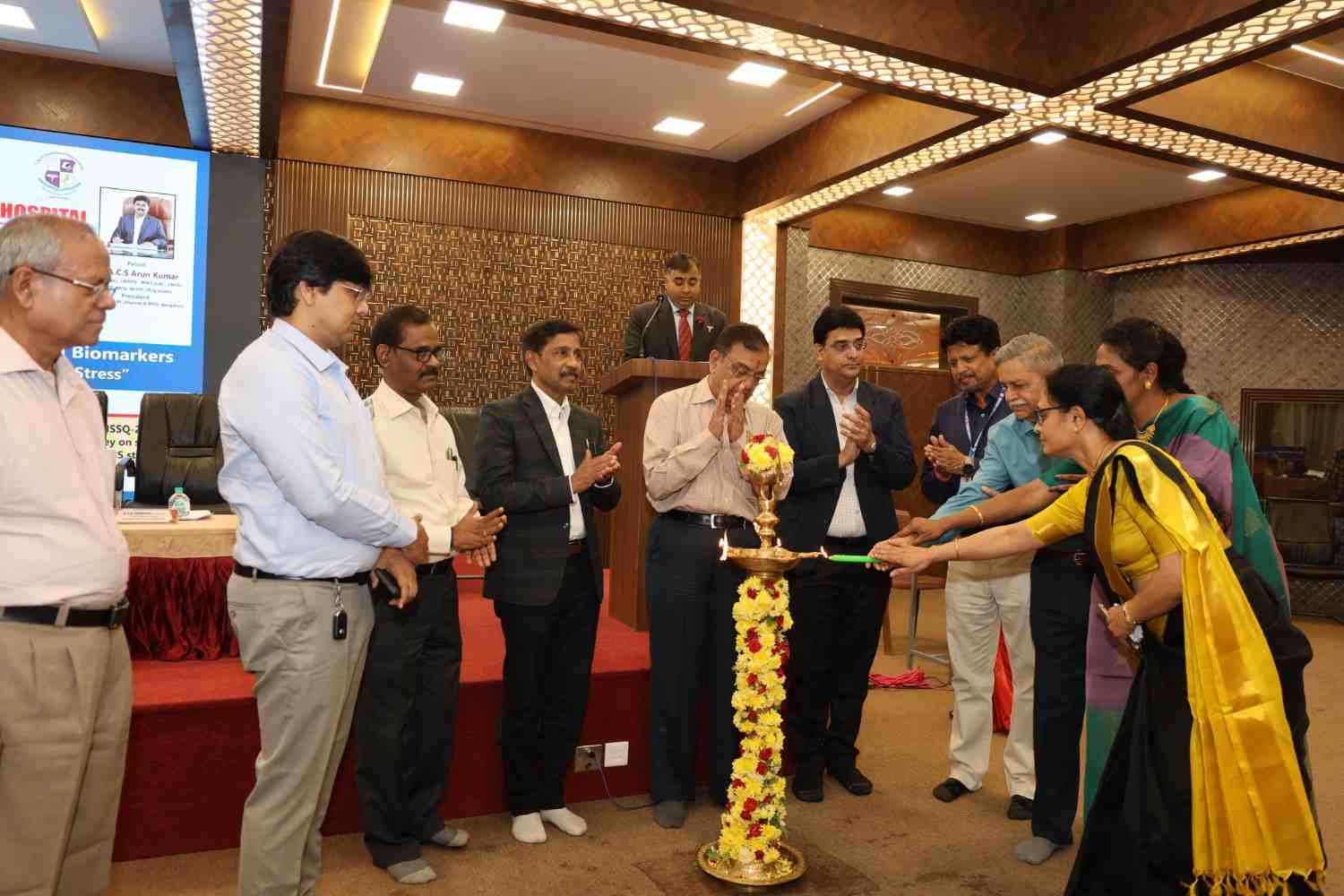
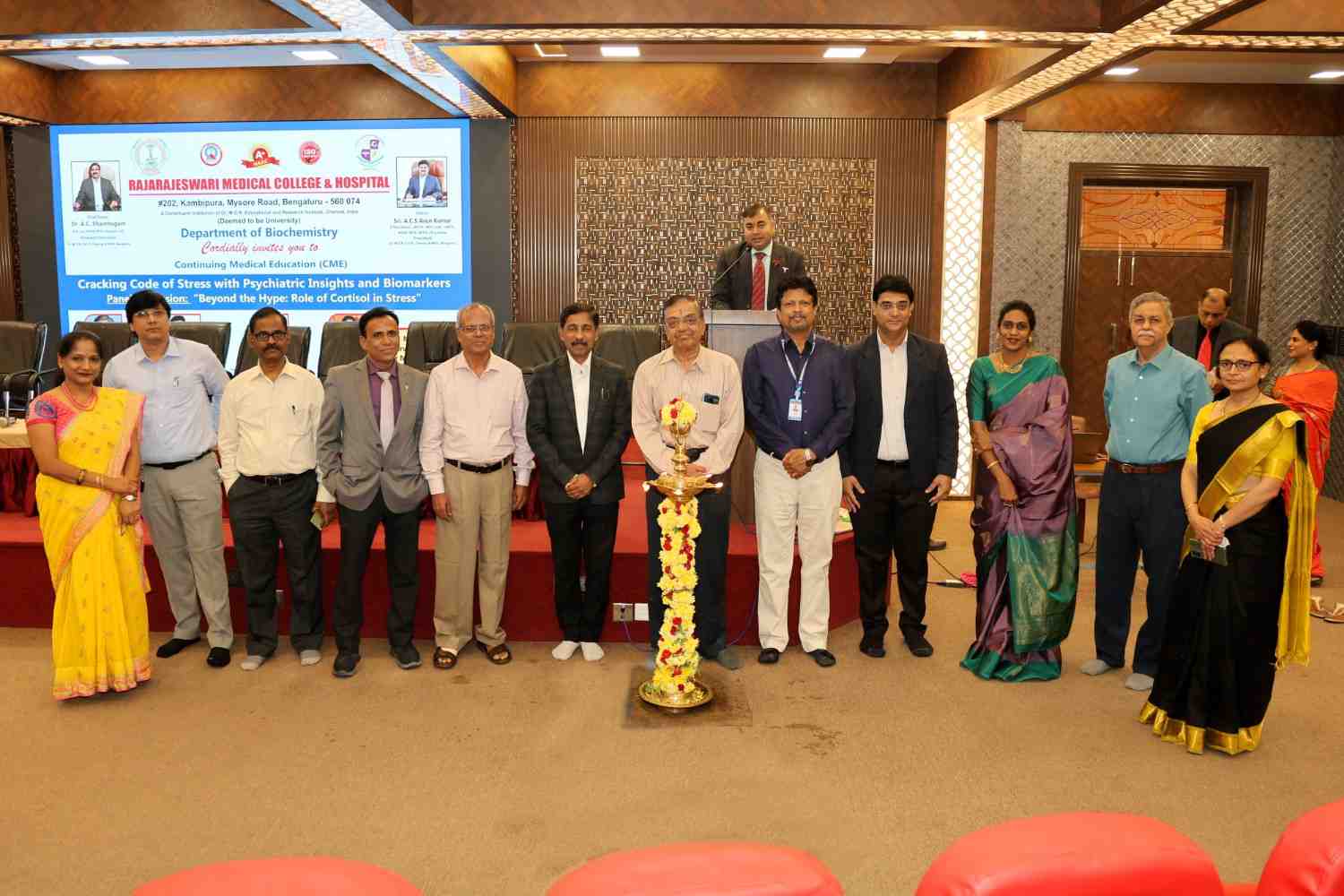
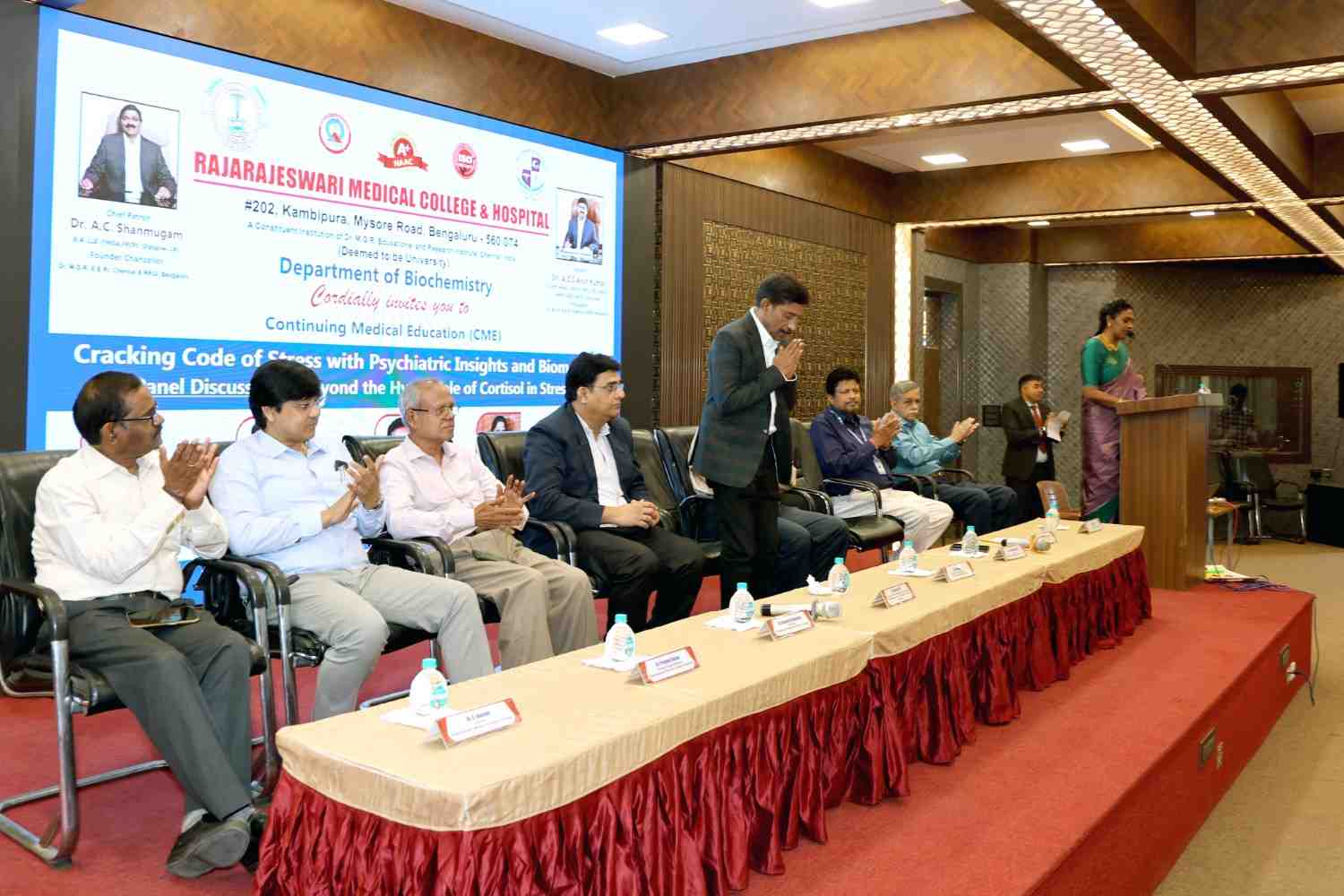
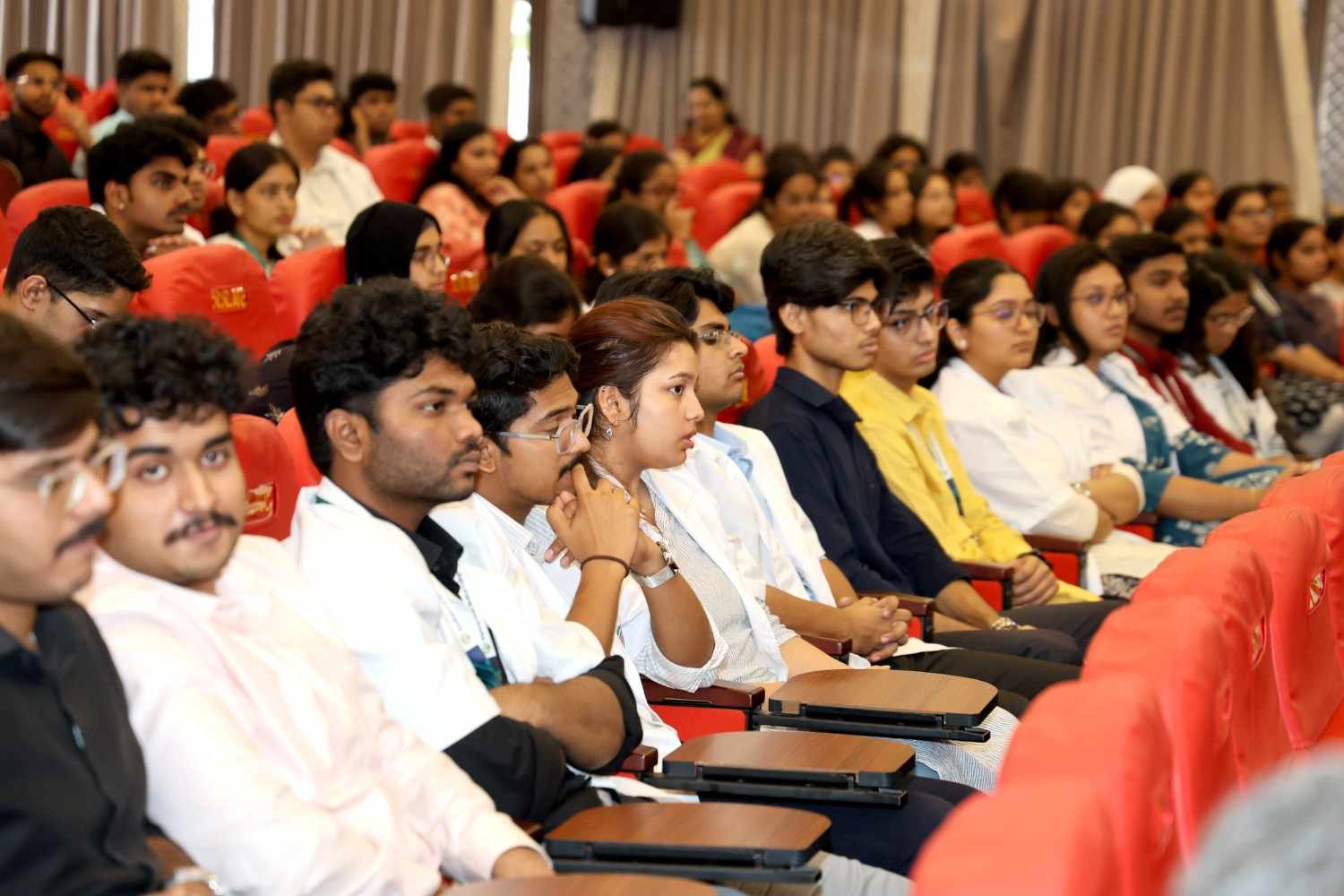
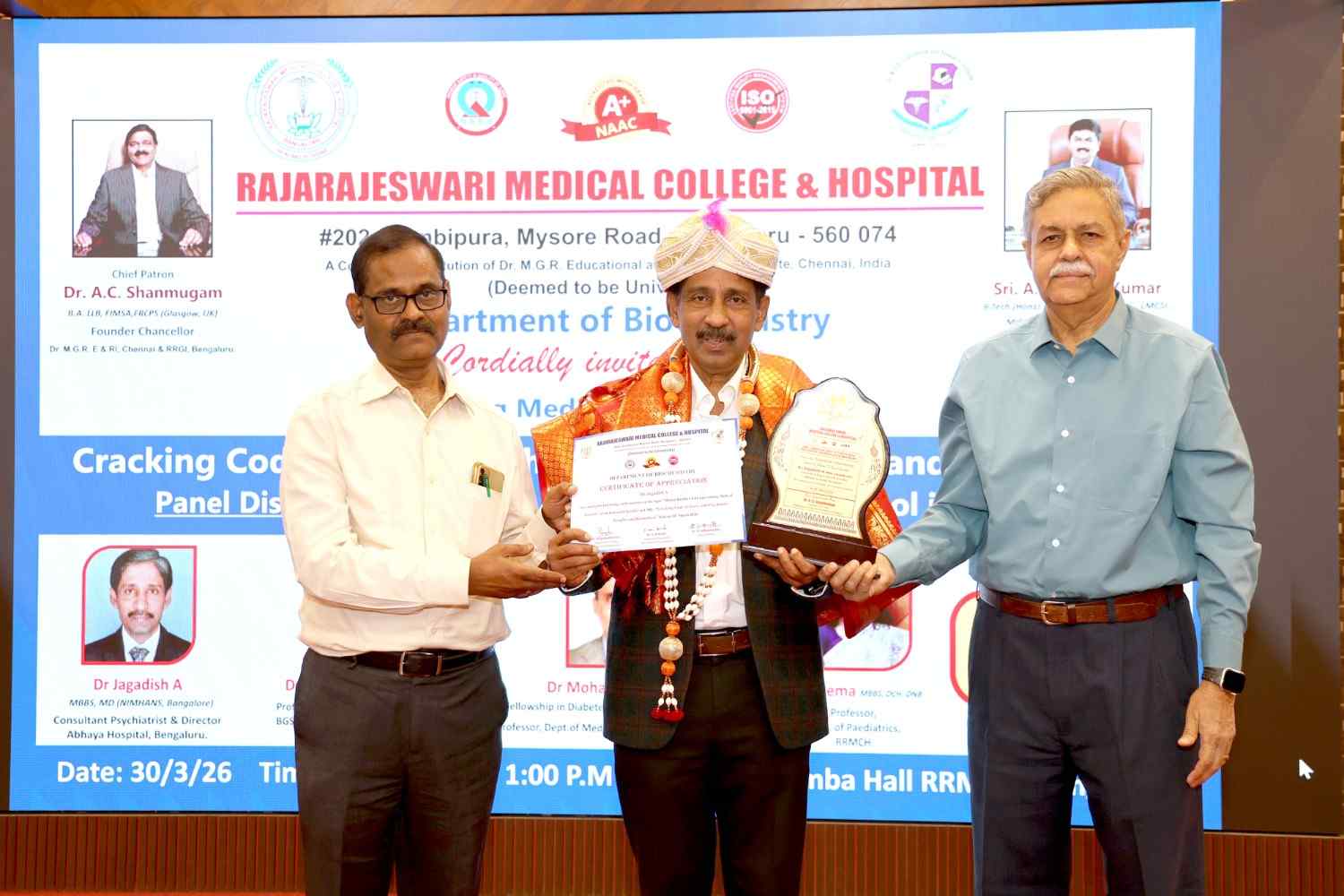
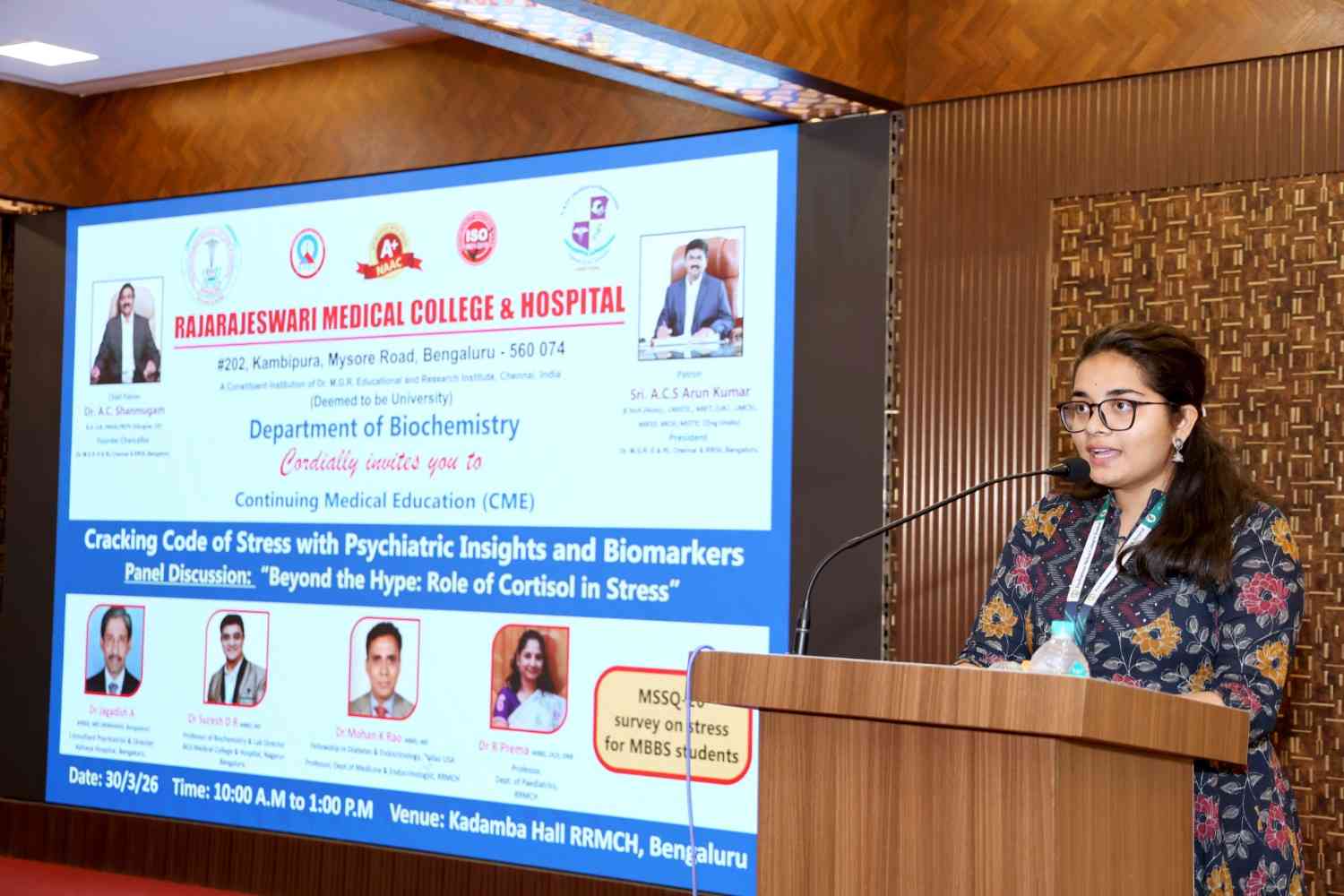
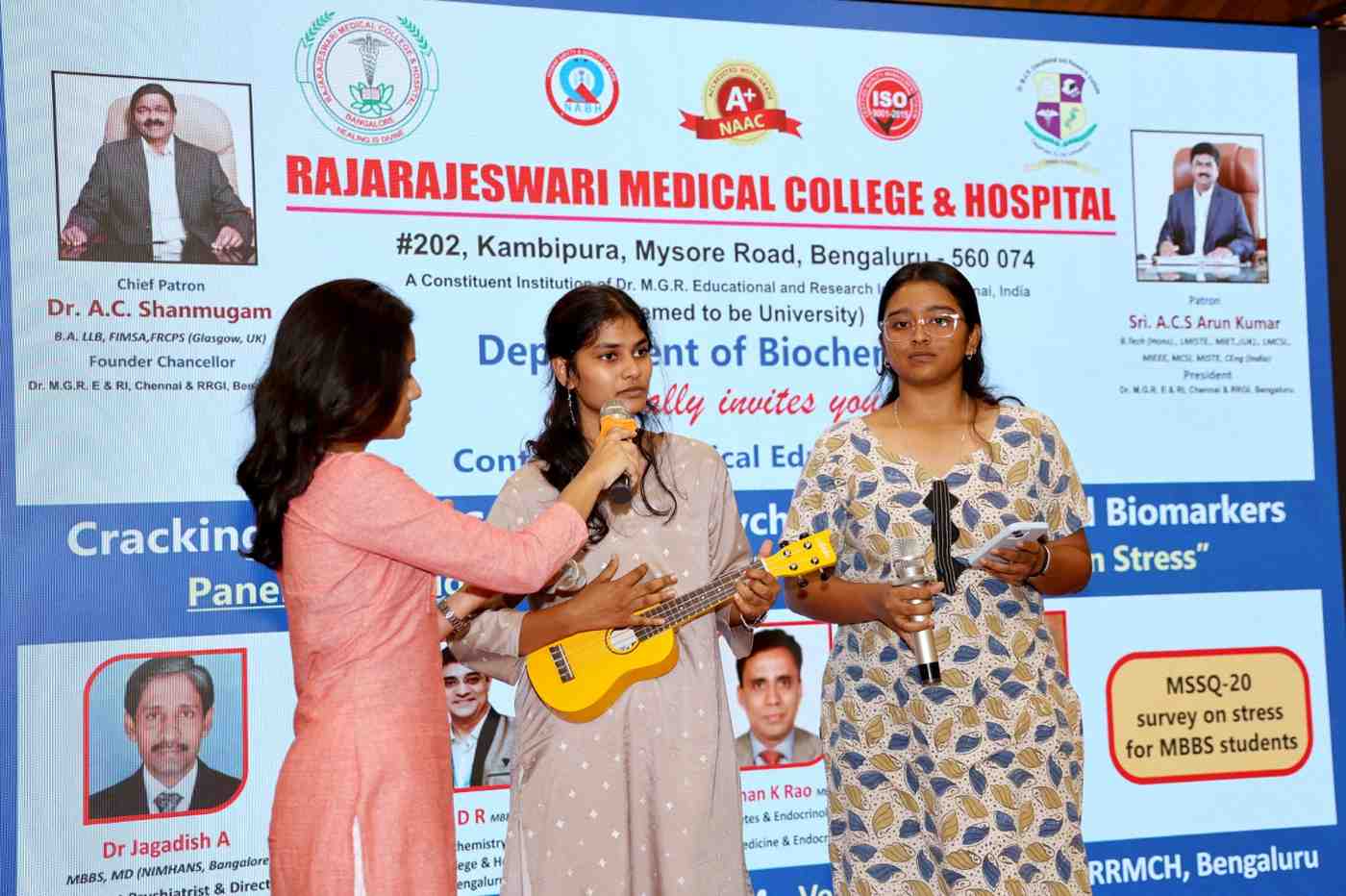
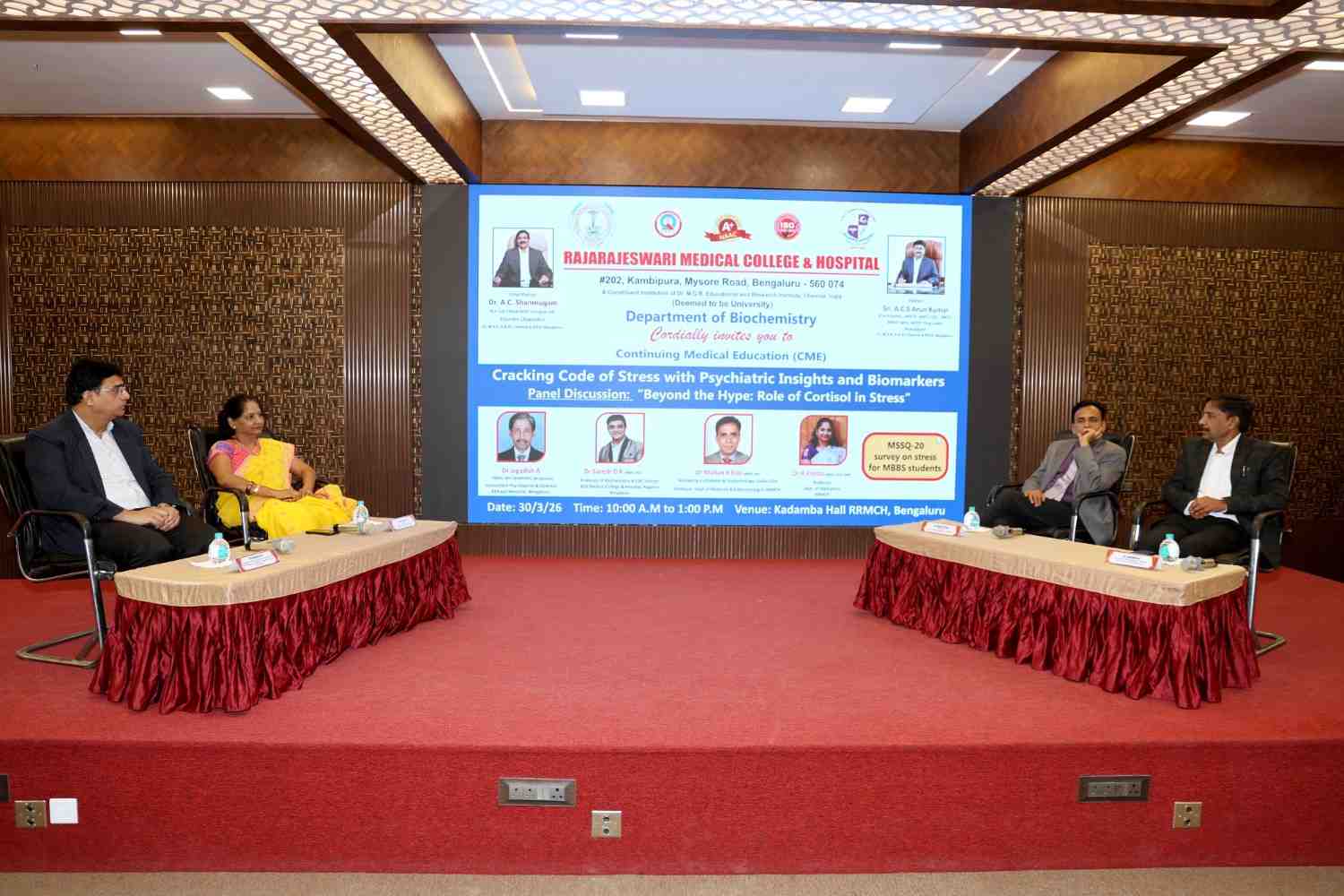
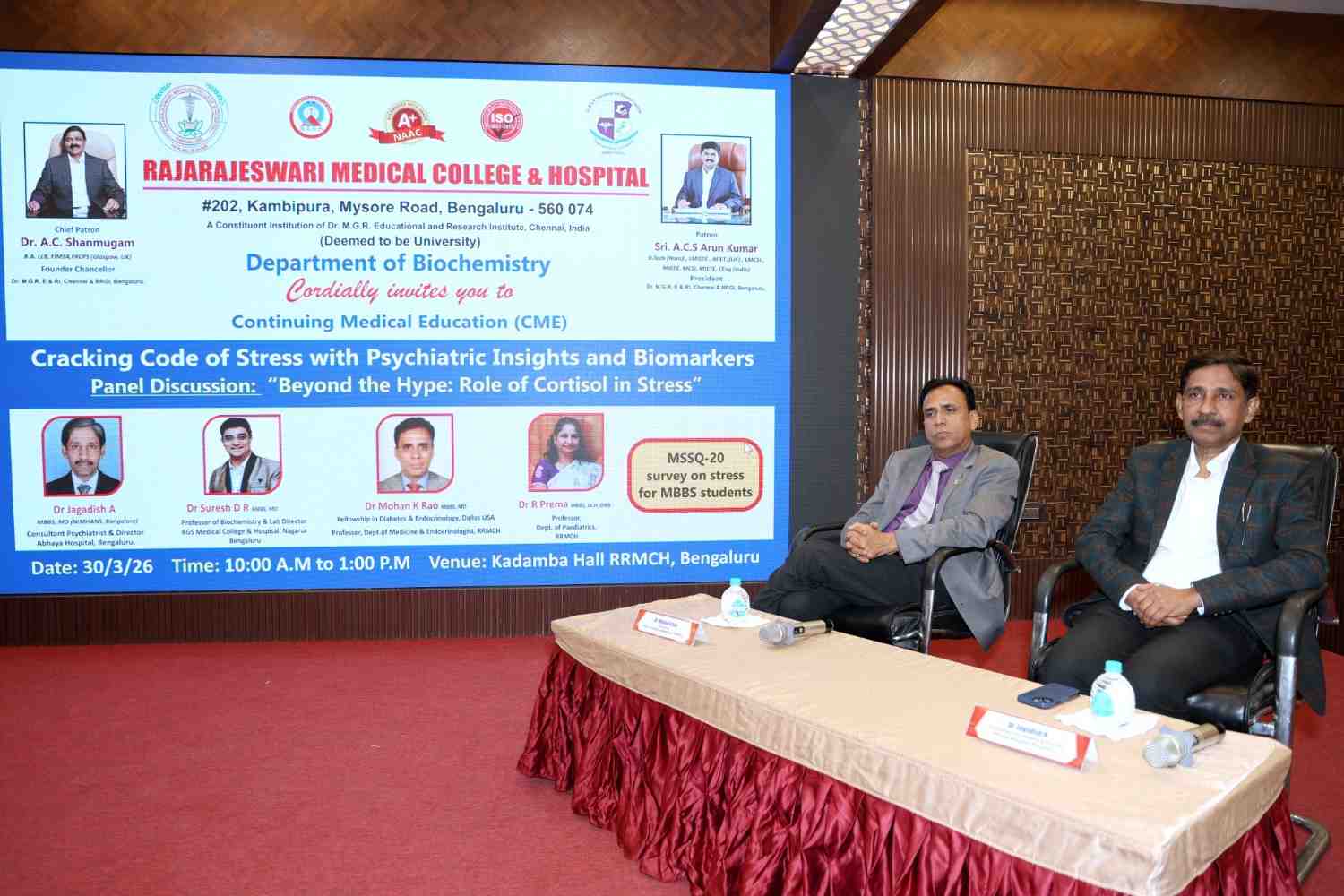
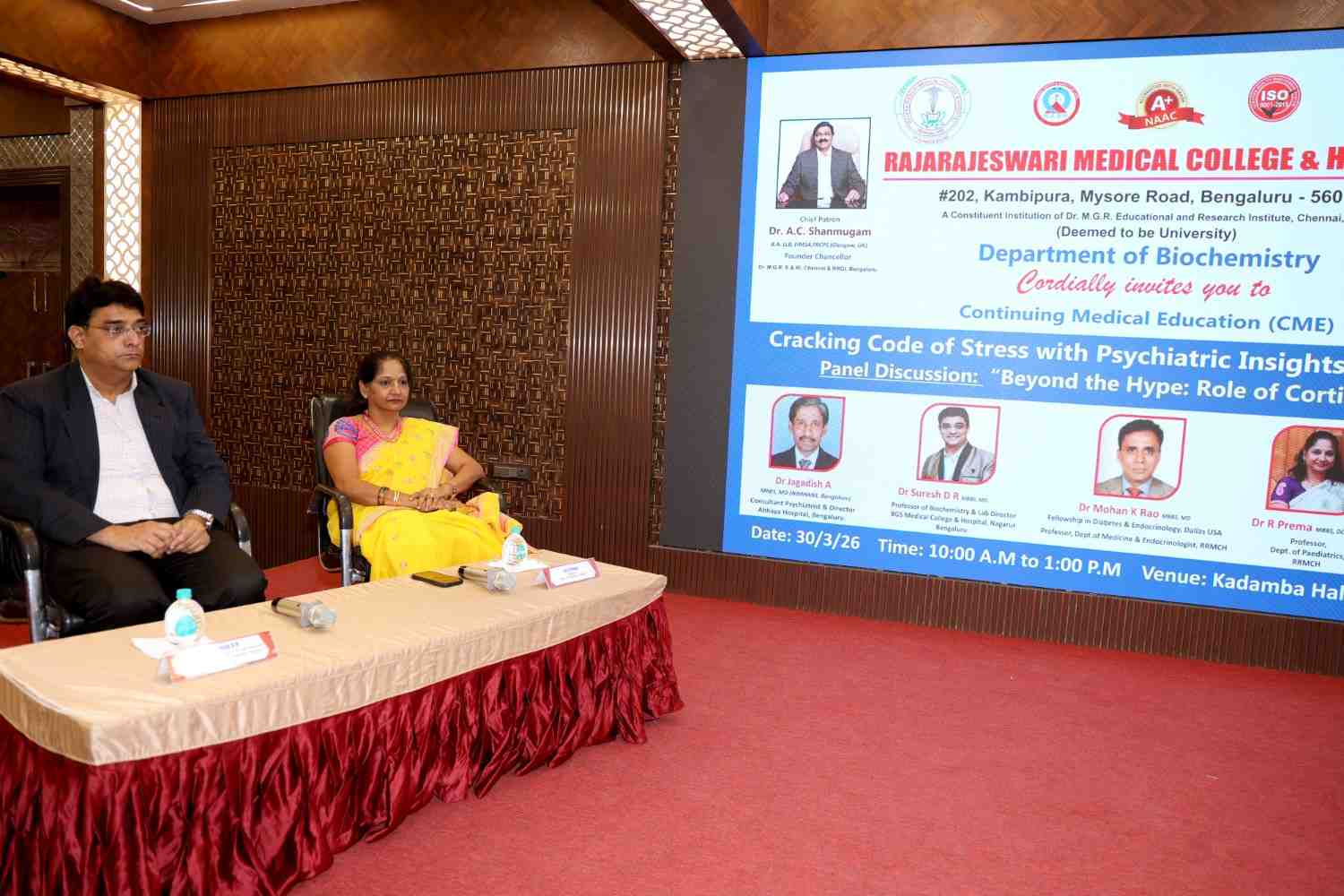
The Department of Biochemistry conducted a focused and impactful CME titled “Cracking the Code of Stress With Psychiatric Insights and Biomarkers” on 30 March 2026 at Kadamba Hall, RRMCH. The program was held in the presence of senior administrators, with our Chairman Dr AC Shanmugham sir and President Dr ACS Arun Kumar sir acknowledged in absentia. The inauguration was attended by CEO Sri Seetharam, Dean Dr.Sathyamurthy, Principal Dr.BasavarajBhandare, Medical Superintendent Dr.Pravin Kumar, Dean of PG studies Dr Adarsh, Dean of Research &Sustenance Committee Dr.Sahajanand, and Professor and HOD Biochemistry Dr.Bindu C. M. Faculty of other departments and first year MBBS students were in attendance of the CME.The event began with a warm welcome address by Dr.Bindu, followed by smooth proceedings hosted by Mr. Mukesh Kumar. An invocation song by Mrs. Shweta marked the formal inauguration.
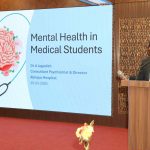
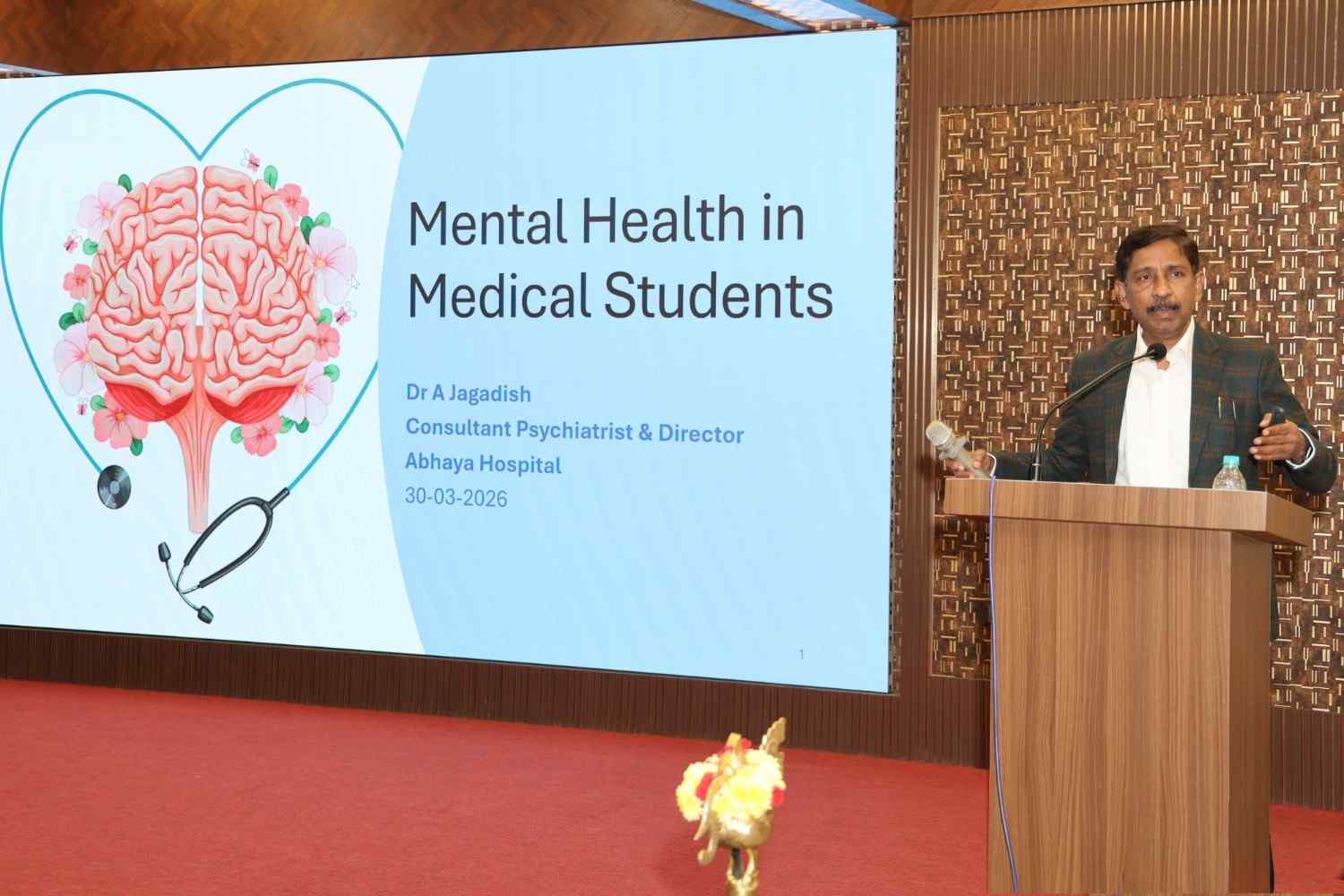
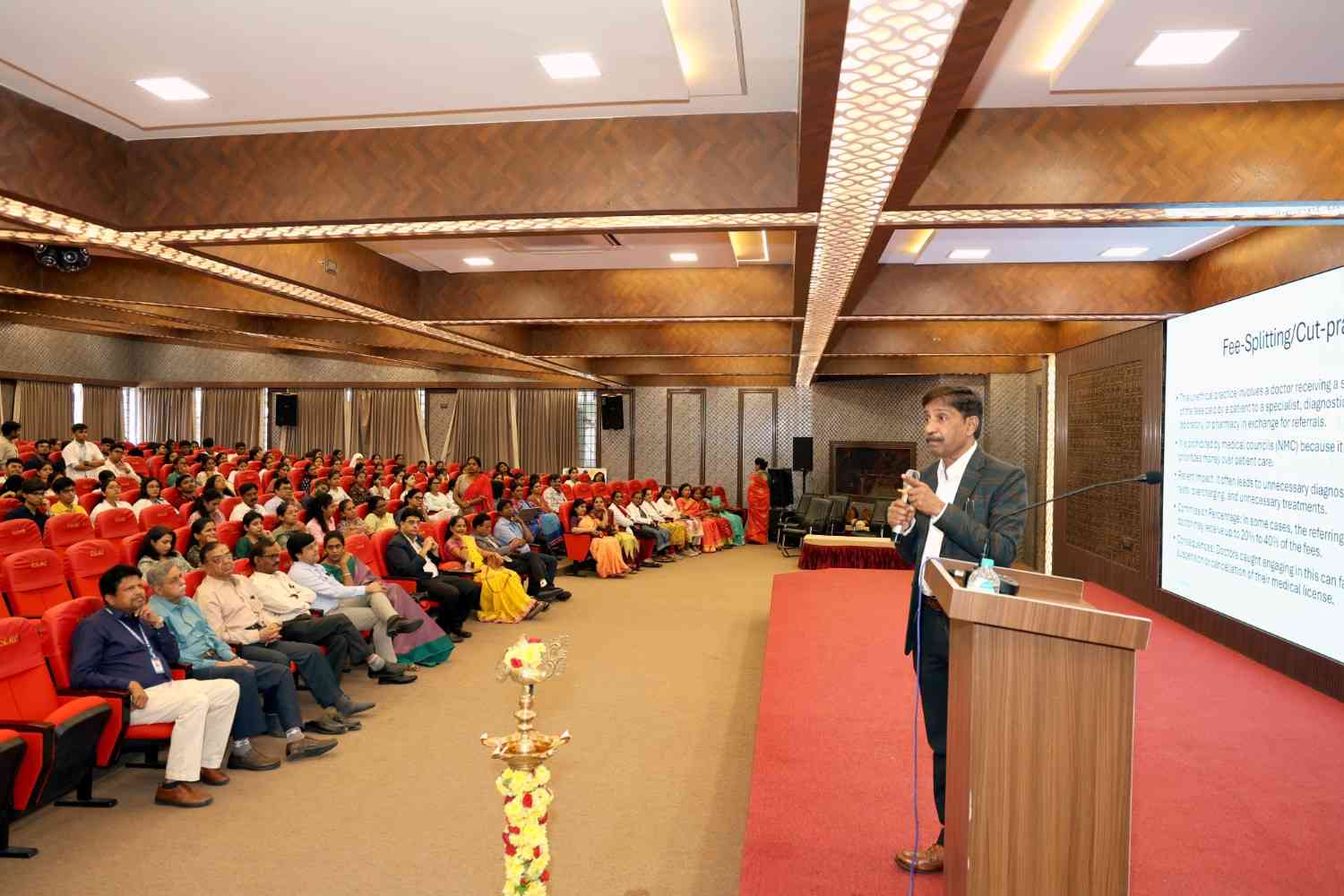
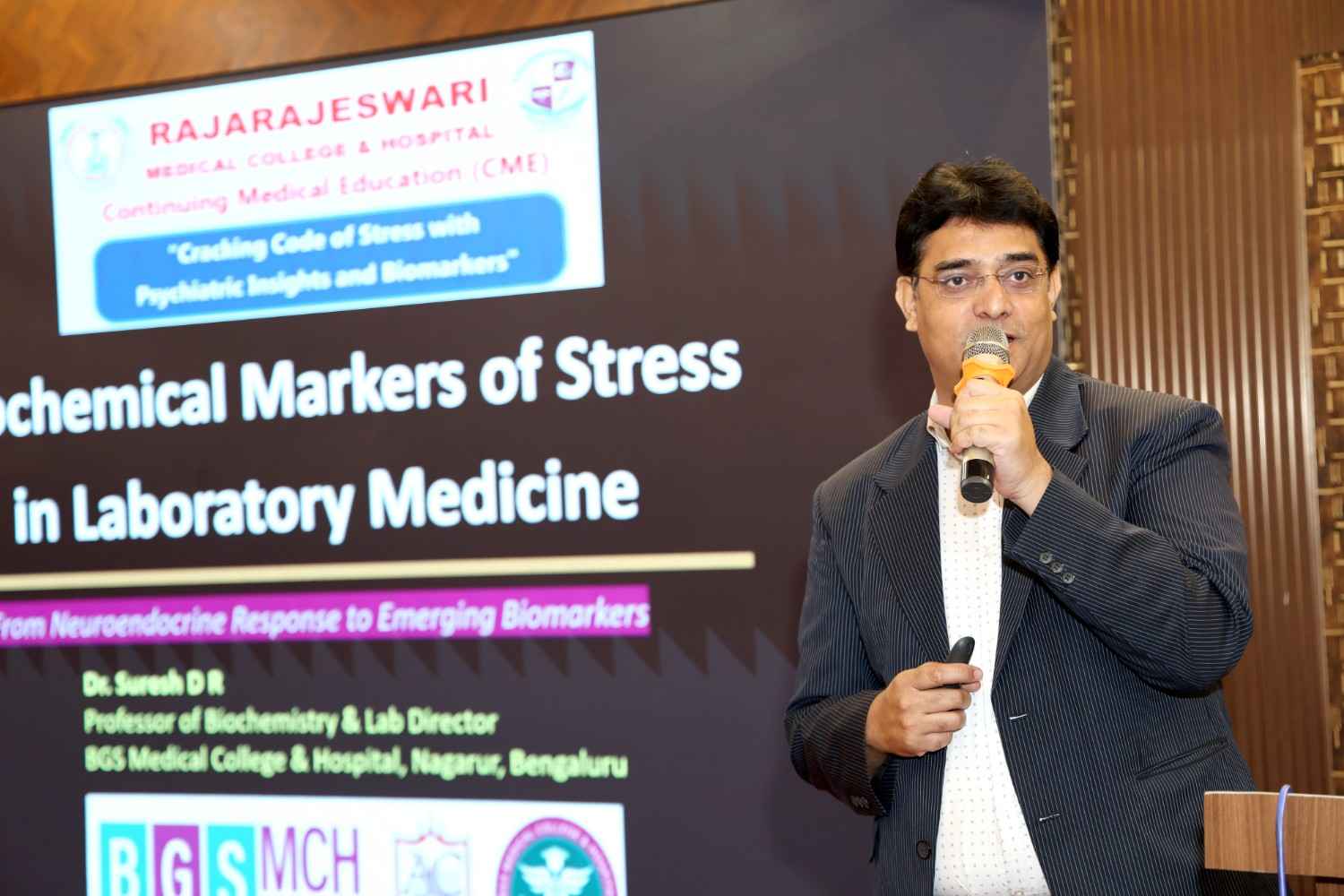
The scientific sessions featured two guest lectures.Firstly, Dr.JagdishA, Consultant Psychiatrist and Director of Abhaya Hospital at Bengaluru presented an evidence-based analysis of stress among medical students, focusing on mechanisms, coping strategies, and future readiness for young doctors. Lab Director & Biochemistry Professor at BGS MCH (Nagrur), Dr Suresh D. R. delivered an engaging lecture on types of stress and the role of biomarkers, covering physical, psychological, and oxidative stress and their research significance. The MSSQ-20 survey findings from MBBS students of all phases, conducted by the deptas a part of CMEwere also shared. A short poem and musical performance by first-year students added a thoughtful cultural note to the program.
A comprehensive panel discussion on “Beyond the hype: Role of cortisol in stress”, moderated by Dr.Roshnara brought together Dr.Prema (Professor of Paediatrics, RRMCH), who discussed stress in adolescents and young adults; Dr.Jagdish, who elaborated on psychiatric perspectives involving cortisol; Dr. Suresh, who highlighted cortisol as an adjunct marker in stress assessment; and Dr. Mohan Rao (Professor of Medicine & Endocrinologist, RRMCH) who explained pathological hypercortisolism. Faculty and student questions enriched the interaction, making the session highly engaging.The program concluded with a vote of thanks by Mr. Chetan P. S.
The CME successfully provided practical insights, strengthened academic understanding of stress and its biomarkers, and underlined the importance of continuous dialogue on student well-being.
The theme for World Veterinary Day 2026 is “Veterinarians: Guardians of Food and Health”. Celebrated on April 25, 2026, this theme highlights the vital role of veterinarians in ensuring food safety, food security, and public health, from farm to fork.
The theme for World Malaria Day 2025 is “Malaria Ends With Us: Reinvest, Reimagine, Reignite,” as announced by the World Health Organization (WHO) and partners. This theme emphasizes the need for renewed investment, innovative approaches, and global commitment to accelerate malaria elimination, notes PACE Hospitals
This year’s theme, “Our Power, Our Planet,” reminds us that each one of us has the power to create positive change for the Earth. Plant trees and nurture nature Conserve water and energy Reduce, reuse, and recycle 🌞 Support clean and renewable energy Every small action matter.
National Civil Services Day 2026 will be observed on 21 April 2026 (Tuesday) in India to honour the dedication and service of civil servants. Known as the backbone or “steel frame of India,” civil servants play a crucial role in governance, policy implementation, and nation-building.
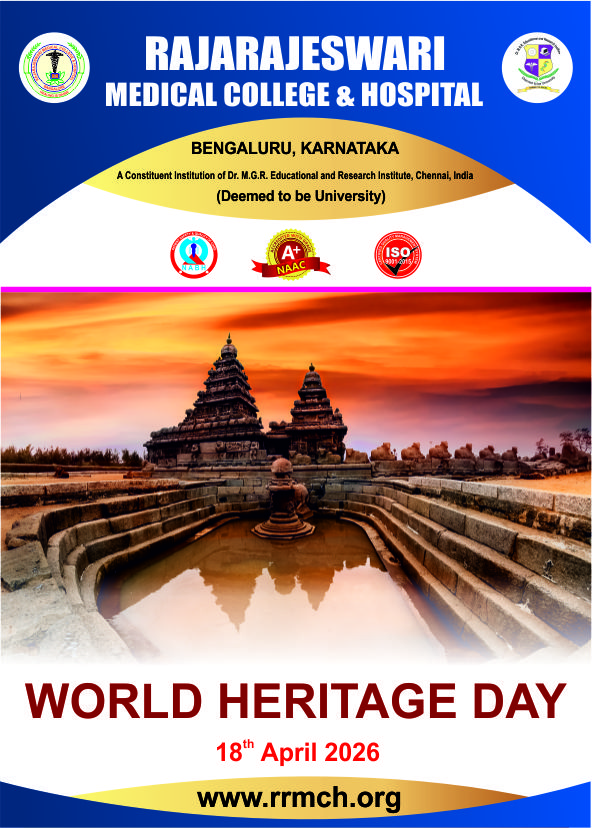
The theme for World Heritage Day 2026 (International Day for Monuments and Sites) is “Emergency Response for Living Heritage in contexts of Conflicts and Disasters”. Observed on April 18, this theme focuses on protecting cultural heritage sites and traditions, aiming to strengthen resilience and emergency response measures within the disaster risk management cycle.
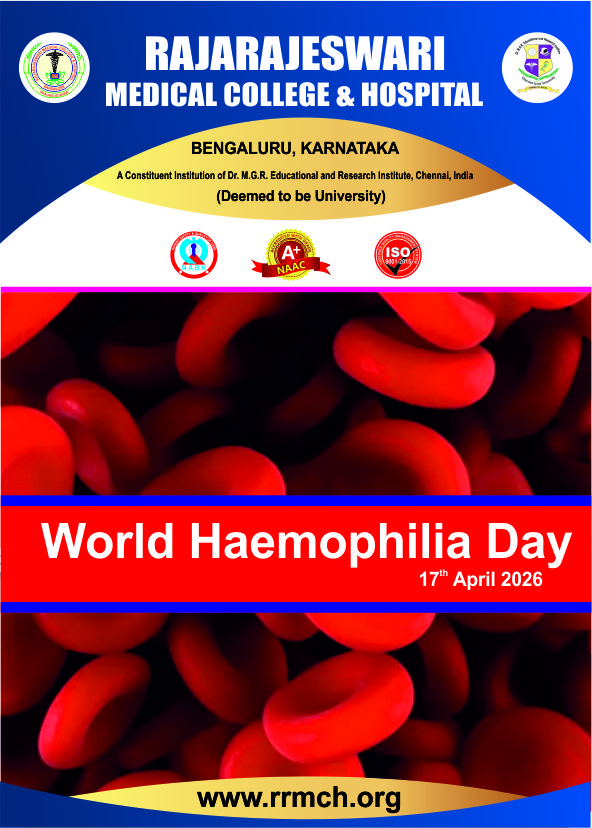
The theme for World Haemophilia Day 2026 is “Diagnosis: First step to care,” focusing on the critical need to identify the estimated over three-quarters of people with haemophilia worldwide who are currently undiagnosed. The World Federation of Haemophilia (WFH) aims to bridge this gap and increase global diagnosis rates to ensure better treatment access.
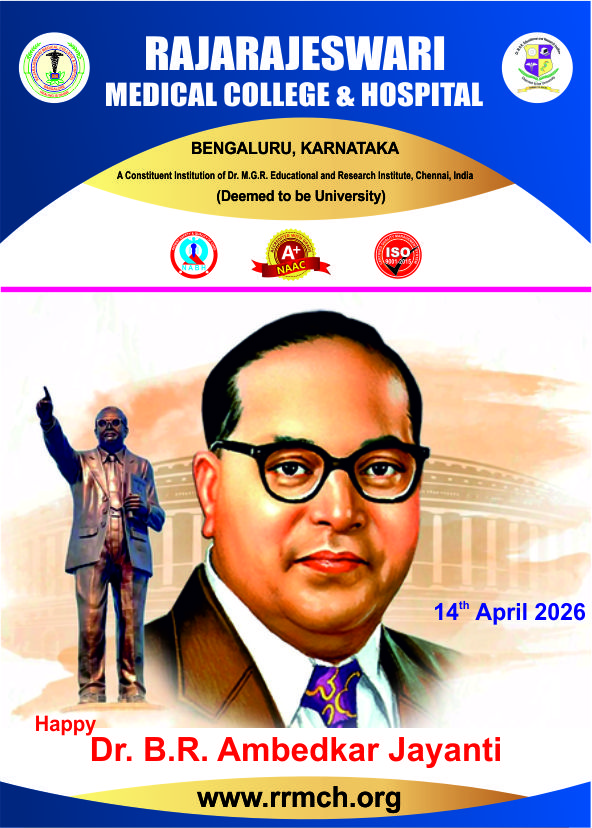
Ambedkar Jayanti, also known as Bhim Jayanti, is observed on 14 April to commemorate the memory of B. R. Ambedkar, Indian politician and social reformer. It marks Ambedkar’s birthday who was born on 14 April 1891. His birthday is also referred to as Equality Day by some in India.