Archives

IMG_6627

International Academic Visit: Strengthening Global Public Health Collaboration

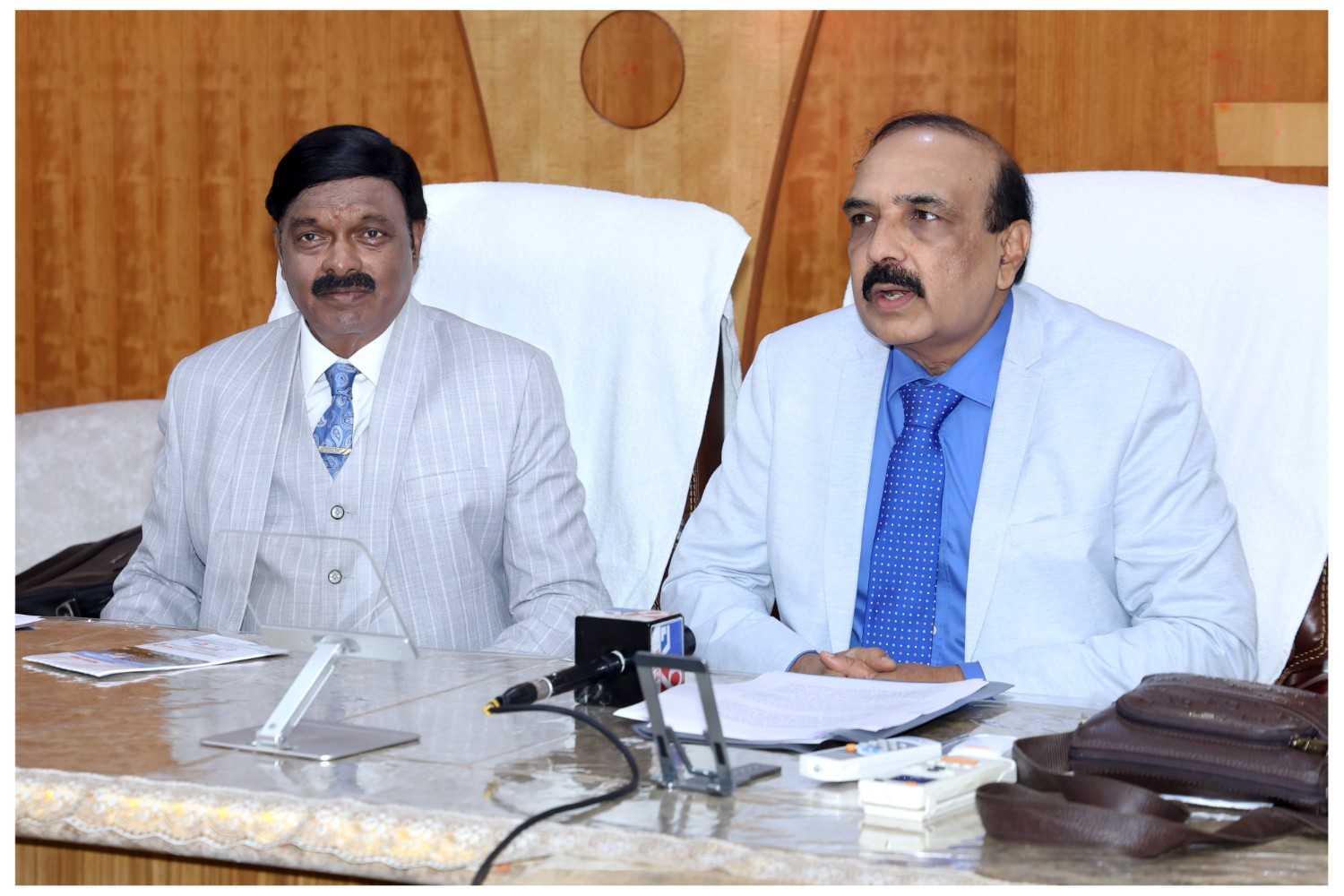
Dr. Shashikala Manjunatha, Professor of Community Medicine and Chairperson of the Institutional Scientific Committee at Rajarajeswari Medical College, Bengaluru, undertook an academic visit to the Global Health Institute at the Mel & Enid Zuckerman College of Public Health, University of Arizona, Tucson, USA, from April 13 to April 17, 2026.
During the visit, Dr. Manjunatha was introduced to a comprehensive schedule of academic and research activities. She engaged in meaningful discussions with the Dean and faculty members, focusing on potential avenues for collaboration in the field of public health.
The interactions highlighted shared priorities in research, education, and community health initiatives, paving the way for future partnerships between Rajarajeswari Medical College and the University of Arizona. This visit marks an important step toward fostering international cooperation and advancing global health outcomes through collaborative efforts.

3I4A7129

Continuing Medical Education (CME) Program on World Voice Day

The Department of ENT–HNS commemorated World Voice Day on 15th April 2026 by organizing a Continuing Medical Education (CME) program centered on the theme “Caring for Our Voices.” The primary objective of the CME was to raise awareness about the importance of vocal health and the prevention of voice disorders.

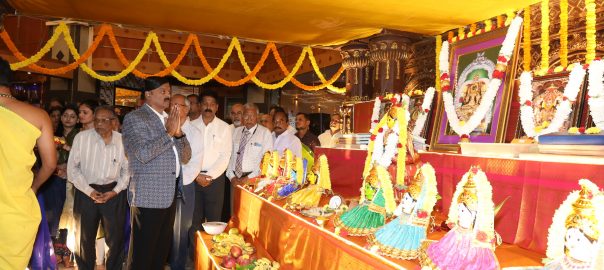
The program was conducted in the esteemed presence of senior administrators. Our Chairman, Dr. A.C. Shanmugam, and President, Dr. A.C.S. Arun Kumar, were acknowledged in absentia. The inauguration ceremony was attended by CEO Sri Seetharam, Dean Dr. B. Sathyamurthy, Principal Dr. Basavaraj Bhandare, and Dr. Sahajanand.

Held at Kadamba Hall, the event witnessed enthusiastic participation from faculty members, postgraduate students, interns, and allied health professionals, including participants from other institutions. The CME featured a series of informative and engaging sessions delivered by invited experts and departmental faculty.

The program commenced with an inaugural address by Dr. T. M. Nagaraj, Professor and Head of the Department of ENT, who emphasized the significance of World Voice Day and the increasing relevance of voice care in today’s professional and social landscape. This was followed by a brief address from Dean Dr. B. Sathyamurthy, who highlighted the impact of voice disorders on quality of life, particularly among professional voice users. He stressed the importance of early recognition, timely intervention, and the need for greater public awareness regarding vocal health. Special emphasis was placed on early diagnosis and multidisciplinary management of voice disorders, especially among teachers, singers, public speakers, and healthcare professionals.

The academic sessions were enriched by expert talks from distinguished guest speakers. Dr. Dinesh S., Senior Laryngologist from Rudrappa’s Hospital, delivered an insightful lecture on professional voice, focusing on the challenges faced by individuals who depend heavily on their voice in their professions.

Dr. Krishnamurthy N., Senior Laryngologist, followed with an in-depth discussion on phonomicrosurgery and the management of benign laryngeal lesions, highlighting the importance of precision and optimal voice outcomes.
Dr. Akshay Kudpaje, Senior Consultant in the Department of Head and Neck Oncology at HCG Cancer Centre, Hebbal, presented on surgical approaches to laryngeal malignancies, offering valuable insights into contemporary oncological practices.
Dr. Sanjay Subbaiah, Consultant Neurolaryngologist, shared his expertise on the management of unilateral vocal fold paralysis, covering both diagnostic and therapeutic perspectives.
Mrs. Savitha Shastry, Audiologist and Speech-Language Pathologist, delivered a comprehensive session on voice assessment, emphasizing the importance of both objective and perceptual evaluation in clinical practice.

Interactive sessions and case discussions further enhanced the program, fostering active participation and facilitating meaningful knowledge exchange among attendees. The event also served as a platform to sensitize healthcare professionals about the importance of timely referral and appropriate intervention for patients presenting with voice disorders.

The program concluded with a vote of thanks, expressing gratitude to all speakers, organizers, and participants for their valuable contributions to the success of the event.
Overall, the World Voice Day celebration was an informative and impactful initiative that reinforced the department’s commitment to promoting vocal health and spreading awareness about voice care within the community

BNS Invitation Apr 2026 Monthly meeting

prestigious Bangalore Neurological Society Monthly Scientific Meeting

The Department of Neurosurgery is proud to share that Dr. Vivekanandan G, Assistant Professor, was invited as a speaker at the prestigious Bangalore Neurological Society Monthly Scientific Meeting held on 4th April 2026 at Hotel Chancery Pavilion, Bangalore.
This invitation reflects the department’s continued commitment to academic excellence, clinical expertise, and contribution to the advancement of neurological sciences. Dr. Vivekanandan G delivered insights as part of the scientific program, engaging with peers and experts from across the region.
He was joined by his colleagues from the institution, including Dr. Dibanath Chakrabarty, Professor and Head of the Department of Neurosurgery; Dr. Shreya, Assistant Professor of Neurology; and Dr. Aishwary, Senior Resident in the Department of Neurosurgery. Their participation highlights the collaborative academic spirit and active involvement of the team in national-level scientific forums.
Screenshot 2026-04-10 111601

Dr. Sangeetha Sampath Contributes to Maharashtra State-Level AMS Workshop

Dr. Sangeetha Sampath, Professor of Microbiology at RRMCH, participated as a resource person in the Maharashtra State-Level Antimicrobial Stewardship (AMS) Workshop held on 27 March 2026 in Mumbai. The workshop was organized by the Public Health Department, Government of Maharashtra, in collaboration with CHRI, PATH, and GSK Cares.

As part of the technical sessions, Dr. Sampath delivered an insightful talk on “Infection Prevention & Control in Primary Healthcare.” Her session highlighted the foundational role of infection prevention and control (IPC) practices in strengthening antimicrobial stewardship efforts, particularly at the primary healthcare level.

The workshop brought together state- and district-level health officials, clinicians, and key stakeholders, providing a platform to discuss strategies for enhancing AMS implementation across Maharashtra. The deliberations were aligned with national priorities under the NAP AMR 2.0, focusing on coordinated action to combat antimicrobial resistance.

Dr. Sampath’s contribution reflects RRMCH’s continued commitment to advancing public health initiatives and supporting capacity-building efforts in antimicrobial stewardship.

Woman on Insulin Develops Injection-Site Amyloidosis

Key Takeaways 
A 40-year-old woman with type 1 diabetes mellitus (T1DM) who injected insulin into her abdomen developed a firm subcutaneous mass in the right lower quadrant. Pathology after surgical excision showed nodular cutaneous amyloidosis; mass spectrometry supported insulin injection-associated amyloid.
A case report by endocrinologist Meiying Zhuang, MD, and colleagues at Vancouver General Hospital, Canada, documents an underdiagnosed complication of repeated subcutaneous insulin injections.

The Patient and Her History
  The patient was referred to Vancouver General Hospital for a newly developed subcutaneous mass in the right lower abdominal quadrant, occasional night sweats, chills, paraesthesia’s migrating between her face and extremities, and intermittent arthralgias in the ankles, knees, hips, and wrists. She denied fever, unintentional weight loss, cough, chest pain, rashes, or gastrointestinal complaints.

Past medical history was notable for foetal alcohol syndrome and T1DM diagnosed at age 5 years.

Her regular medication was insulin, administered by subcutaneous injections into the abdomen for T1DM.

Family, social, substance use, travel, and allergy histories were unremarkable.

At the referring physician’s office, a biopsy of the lesion, measuring 1.1 × 1 × 0.8 cm, had been performed. Histology showed features of amyloidosis with strong Congo red staining.

Evaluation 
On admission, vital signs were within normal limits, including respiratory and heart rates,blood pressure, room air oxygen saturation, and body temperature.

Inspection, auscultation, palpation, and percussion corroborated the history. The biopsy wound in the right lower abdominal quadrant appeared noninflamed and dry. A firm, nonmobile mass was palpable beneath it. Additional findings included leg oedema and mild, nonspecific motor and sensory deficits in both lower legs.
A neurologic examination, including cerebrospinal fluid analysis, revealed no abnormalities.

An expanded amyloidosis workup — including complete blood count, electrolytes, creatinine, liver function tests, serum free light chains, serum protein electrophoresis, urine protein electrophoresis, and urinalysis — yielded no definitive clues.

A CT scan of the chest, abdomen, and pelvis showed a soft-tissue collection in the subcutaneous fat along the right anterior abdominal wall. No intrathoracic or intra- abdominal pathology was observed.

Echocardiography showed no evidence of amyloid deposition.

A repeat neurologic examination provided no new information.

Diagnosis and Management  After referral to the surgical department, the abdominal mass was excised. Subsequent histopathology revealed nodular cutaneous amyloidosis.

Given the patient’s frequent abdominal insulin injections, insulin injection-associated amyloidosis was considered in the differential diagnosis.
3I4A0297

NNF-K Clinical Meet on Neonatal Neurology at RajaRajeswari Medical College & Hospital

The Department of Paediatrics at Rajarajeswari Medical College and Hospital (RRMCH) successfully hosted the NNF-K Clinical Meet on Neonatal Neurology Clinical Case Presentations on 18th March 2026, in association with the National Neonatology Forum, Karnataka. The event brought together leading experts, academicians, and clinicians from across the country for a focused academic exchange on neonatal neurological care.

The scientific program featured expert-led sessions by Dr. Vykuntaraju, Professor, Department of Paediatric Neurology, Indira Gandhi Institute of Child Health, and Dr. Aarthi, Assistant Professor, Department of Paediatrics, RRMCH. Their sessions provided valuable insights into current approaches and clinical challenges in neonatal neurology.

The meet was inaugurated by Dr. Sathyamurthy, Dean, and Dr. Praveen, Medical Superintendent. The event was further enriched by the presence and contributions of eminent neonatologists including Dr. Venkatesh H.A, Dr. Shashidhar, Dr. Pratheek, and Dr. Sharath Chandra, who shared their expertise and perspectives.

A key highlight of the program was the clinical case presentations by participants from RRMCH, Indira Gandhi Institute of Child Health (IGICH), Baptist Hospital, and Manipal Hospitals. These presentations encouraged interactive discussions and practical learning among delegates.

The program was formally addressed by Dr. Rajanish K.V, Professor and Head of the Department of Paediatrics, who emphasized the importance of continuous academic engagement in advancing neonatal care.

The event witnessed enthusiastic participation from delegates across the country, reflecting its strong academic impact and clinical relevance. The NNF-K Clinical Meet stands as a testament to RRMCH’s commitment to fostering knowledge, enhancing clinical skills, and promoting excellence in neonatal healthcare.

3I4A5612

CME on Cracking Code Of Stress with Psychiatric Insights and Biomarkers

The Department of Biochemistry conducted a focused and impactful CME titled “Cracking the Code of Stress With Psychiatric Insights and Biomarkers” on 30 March 2026 at Kadamba Hall, RRMCH. The program was held in the presence of senior administrators, with our Chairman Dr AC Shanmugham sir and President Dr ACS Arun Kumar sir acknowledged in absentia. The inauguration was attended by CEO Sri Seetharam, Dean Dr.Sathyamurthy, Principal Dr.BasavarajBhandare, Medical Superintendent Dr.Pravin Kumar, Dean of PG studies Dr Adarsh, Dean of Research &Sustenance Committee Dr.Sahajanand, and Professor and HOD Biochemistry Dr.Bindu C. M. Faculty of other departments and first year MBBS students were in attendance of the CME.The event began with a warm welcome address by Dr.Bindu, followed by smooth proceedings hosted by Mr. Mukesh Kumar. An invocation song by Mrs. Shweta marked the formal inauguration.

The scientific sessions featured two guest lectures.Firstly, Dr.JagdishA, Consultant Psychiatrist and Director of Abhaya Hospital at Bengaluru presented an evidence-based analysis of stress among medical students, focusing on mechanisms, coping strategies, and future readiness for young doctors. Lab Director & Biochemistry Professor at BGS MCH (Nagrur), Dr Suresh D. R. delivered an engaging lecture on types of stress and the role of biomarkers, covering physical, psychological, and oxidative stress and their research significance. The MSSQ-20 survey findings from MBBS students of all phases, conducted by the deptas a part of CMEwere also shared. A short poem and musical performance by first-year students added a thoughtful cultural note to the program.

A comprehensive panel discussion on “Beyond the hype: Role of cortisol in stress”, moderated by Dr.Roshnara brought together Dr.Prema (Professor of Paediatrics, RRMCH), who discussed stress in adolescents and young adults; Dr.Jagdish, who elaborated on psychiatric perspectives involving cortisol; Dr. Suresh, who highlighted cortisol as an adjunct marker in stress assessment; and Dr. Mohan Rao (Professor of Medicine & Endocrinologist, RRMCH) who explained pathological hypercortisolism. Faculty and student questions enriched the interaction, making the session highly engaging.The program concluded with a vote of thanks by Mr. Chetan P. S.

The CME successfully provided practical insights, strengthened academic understanding of stress and its biomarkers, and underlined the importance of continuous dialogue on student well-being.

World Veterinary Day 1

World Veterinary Day 2026

The theme for World Veterinary Day 2026 is “Veterinarians: Guardians of Food and Health”. Celebrated on April 25, 2026, this theme highlights the vital role of veterinarians in ensuring food safety, food security, and public health, from farm to fork.

World Veterinary Day 1
World Malaria Day 1

World Malaria Day 2026

The theme for World Malaria Day 2025 is “Malaria Ends With Us: Reinvest, Reimagine, Reignite,” as announced by the World Health Organization (WHO) and partners. This theme emphasizes the need for renewed investment, innovative approaches, and global commitment to accelerate malaria elimination, notes PACE Hospitals

World Malaria Day 1
World Earth Day 1

World Earth Day 2026

This year’s theme, “Our Power, Our Planet,” reminds us that each one of us has the power to create positive change for the Earth. Plant trees and nurture nature Conserve water and energy Reduce, reuse, and recycle 🌞 Support clean and renewable energy Every small action matter.

World Earth Day 1